 SEAL
SEALYour Walls Are Leaking
Money.
We roll up in white vans and fill every invisible gap with expanding foam — turning a drafty ranch house into an airtight shell. Check your address below.
Try: 60601, 60614, 60657, 60625, 60640, or any 5-digit zip
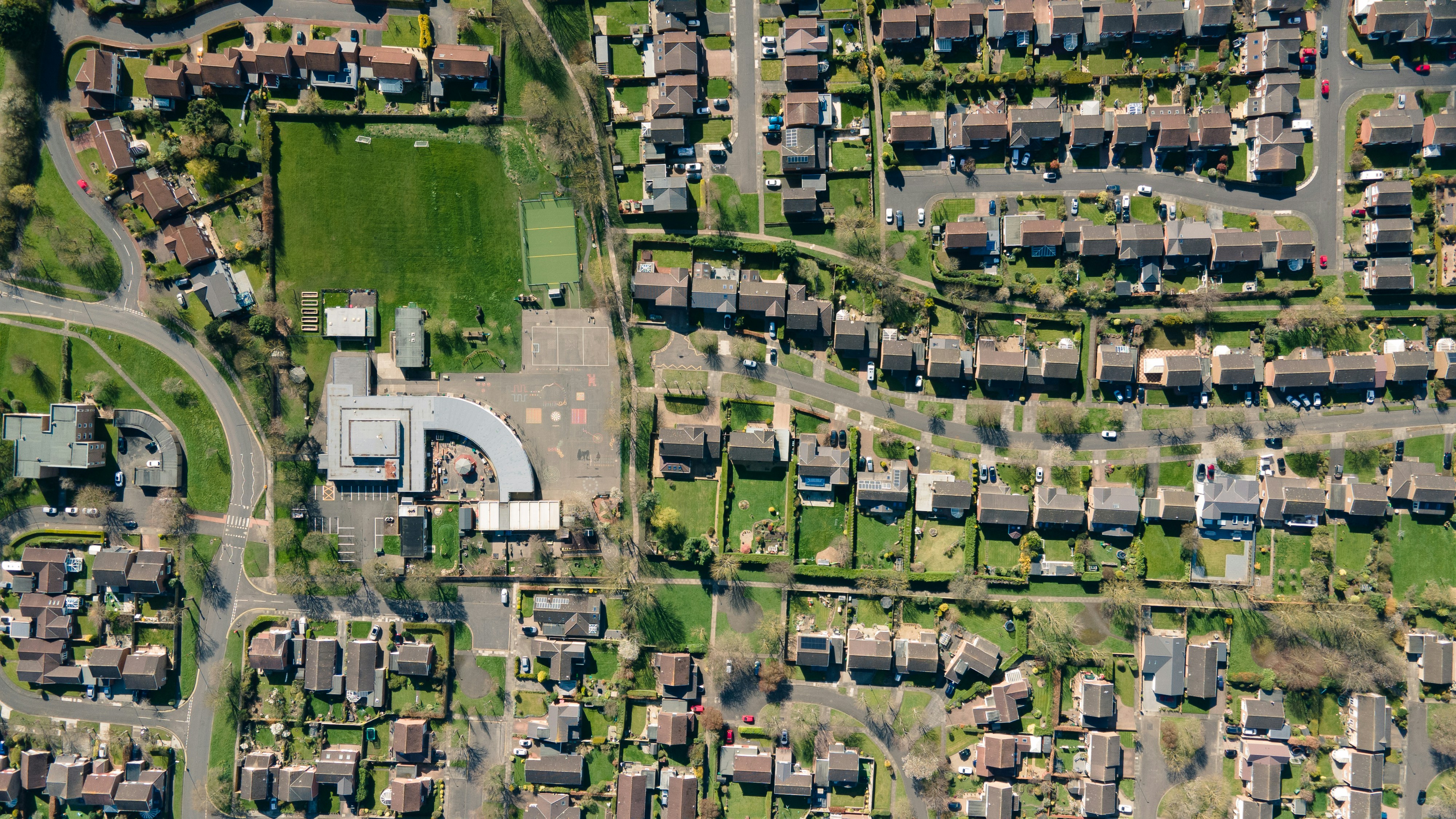
Service Area Heat Map
Shaded by average home age · Chicago Metro Region
1,200+
homes sealed across the metro since 2018
See exactly how we do it
1,200+
Homes sealed
$380
Avg annual savings
8 hrs
Typical job time
R-6.5
Per inch closed-cell
No mystery. Just craft.
Five steps. Every job, every time. Here's exactly what happens from the moment our van pulls up.
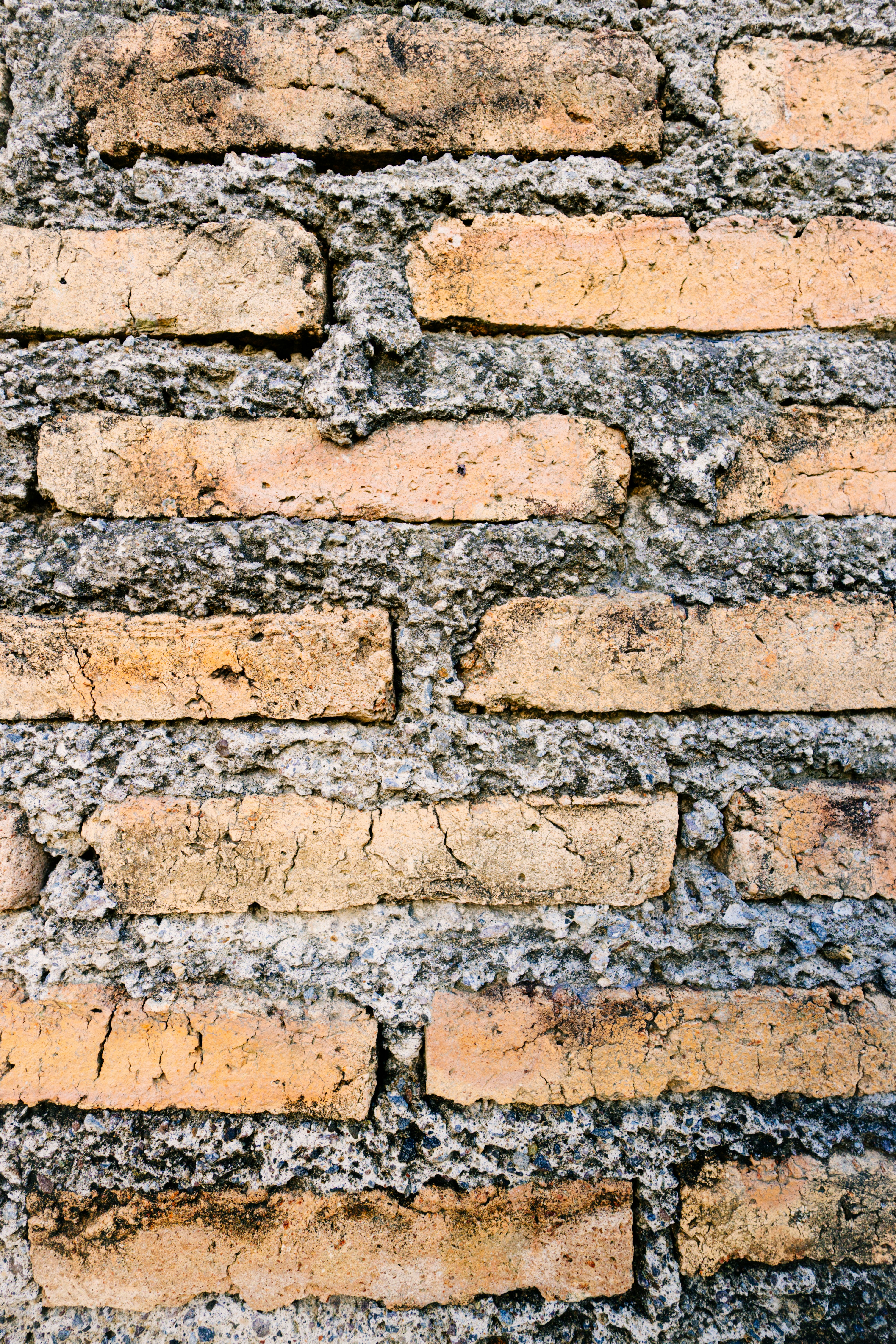
We show you exactly where your money's going.
Before we touch a can of foam, our tech walks your home with a FLIR thermal camera. Cold air infiltration shows up as angry reds and oranges on the scan — rim joists, band boards, top plates, every penetration. You see the problem on a screen, not our word for it.
↗ Avg 34% of conditioned air escapes through unsealed cavities
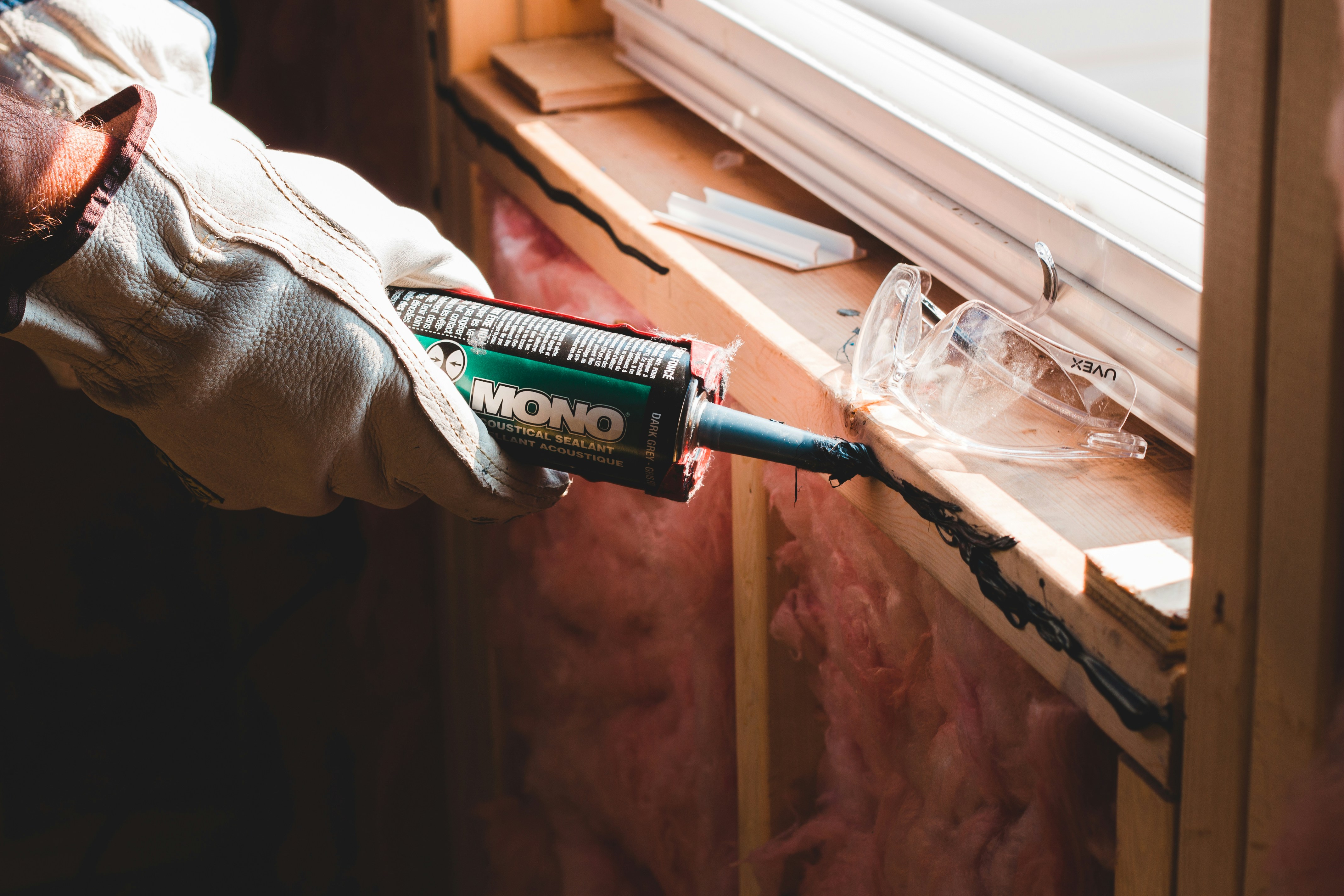
Blue tape on every outlet. Every frame. Every wire.
Spray foam is permanent. We take prep seriously. Every electrical box, window frame, door jamb, and penetration gets masked with professional-grade blue tape before a single bead of foam is sprayed. Your finished surfaces stay clean — the foam goes exactly where it belongs.
↗ 2–3 hrs of prep work protects 20 years of finished surfaces
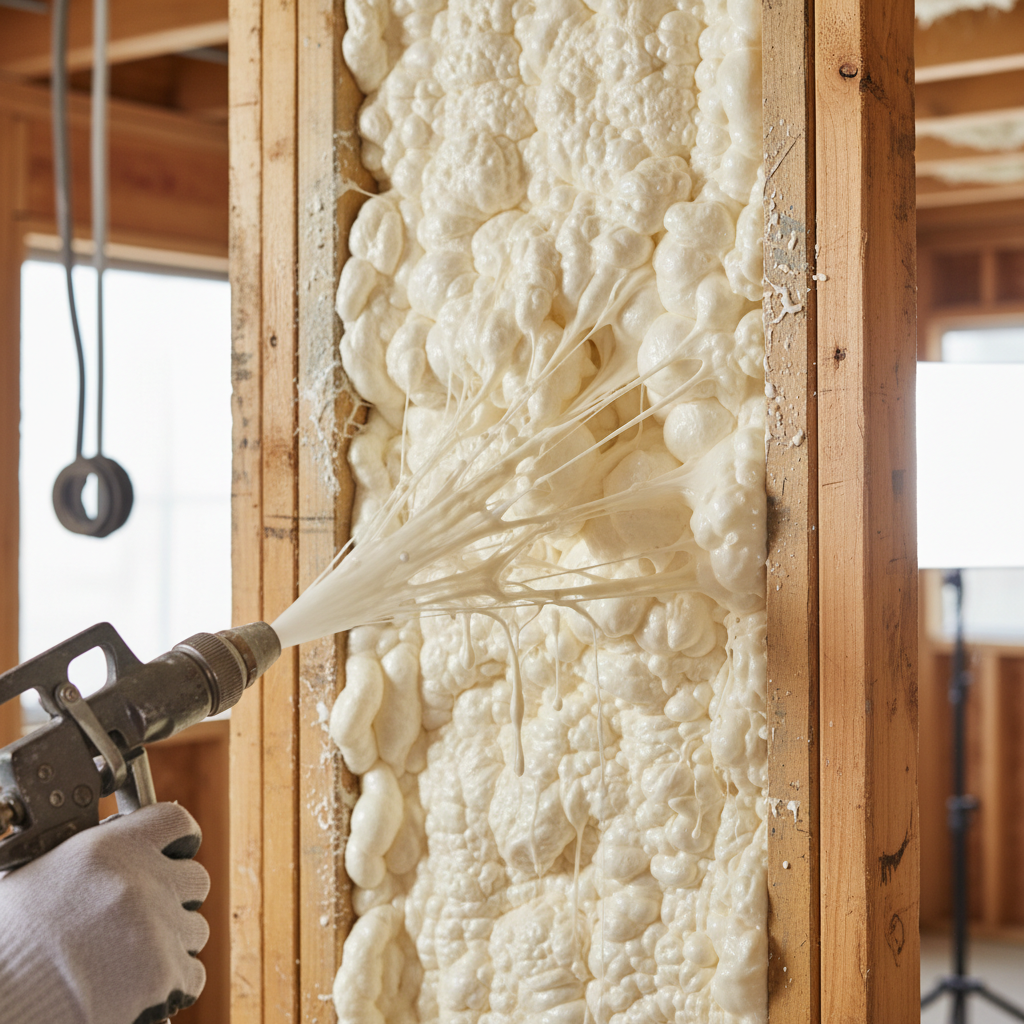
Closed-cell foam expands in seconds, seals in minutes.
Two-component closed-cell spray polyurethane foam is mixed at the gun tip and expands to 30× its liquid volume in under 10 seconds. It fills every void, bonds to wood and concrete alike, and cures to a rigid R-6.5 per inch. The crew works section by section, floor by floor.
↗ R-6.5/inch · 30× expansion · adheres to wood, concrete, steel

Flush-cut to the studs. Then we scan again.
Once cured, excess foam is cut flush to the stud face with a serrated blade — flat, clean, ready for drywall. Then we run the thermal camera one more time. The same wall that glowed orange on the first scan now shows a uniform, cool blue. You see the result before we pack up the van.
↗ Every job ends with a second thermal scan — your proof of performance
The R-Value Cheat Sheet
A plain-English guide to what R-value actually means, which zones need what, and how to read a contractor's quote without getting taken. One page. No fluff.
- ✓Zone 5–7 requirements by wall, attic, crawlspace
- ✓Closed-cell vs open-cell: when each makes sense
- ✓How to spot an underspecified quote
Get Your Quote by Tomorrow.
Four questions. We'll have a number to you within 24 hours.
Step 1 of 4
What's your zip code?
Ready to stop paying for heat that leaves through your walls?
Quote in 24 hours · No commitment required